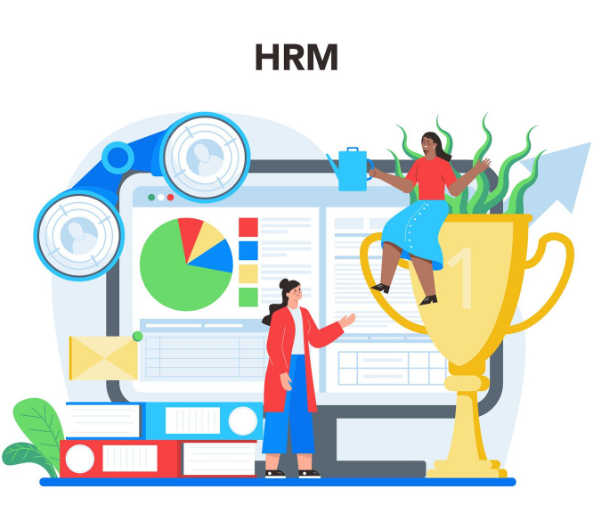
Introduction: The Role of HR in Workplace Wellness
Human Resources (HR) departments play a central role in shaping a company’s culture, and wellness programs are one of the most impactful ways to influence employee well-being and performance. A well-designed HR wellness program goes beyond basic health initiatives—it becomes a strategic solution for improving productivity, reducing turnover, and enhancing employee satisfaction.
Research from organizations like Society for Human Resource Management and World Health Organization consistently shows that companies with structured wellness strategies outperform those without them in both employee engagement and financial results.
What Are HR Wellness Program Solutions?
HR wellness program solutions refer to structured systems, tools, and initiatives designed to support employees’ physical, mental, and emotional well-being. These solutions are typically integrated into HR processes and aligned with business goals.
Rather than offering isolated benefits, modern HR wellness solutions focus on creating a comprehensive ecosystem that includes:
- Preventive healthcare
- Mental health support
- Work-life balance strategies
- Employee engagement tools
- Digital wellness platforms
Core Types of HR Wellness Program Solutions
1. Physical Health Programs
These programs aim to improve employees’ physical condition and reduce health risks.
Examples include:
- Fitness memberships or reimbursements
- Workplace exercise programs
- Health screenings and checkups
- Ergonomic workplace improvements
Physical health initiatives often lead to reduced absenteeism and lower healthcare costs.
2. Mental Health and Emotional Support
Mental well-being is now a top priority for HR teams. Stress, burnout, and anxiety can significantly affect performance and morale.
Effective solutions include:
- Employee Assistance Programs (EAPs)
- Access to therapy or counseling
- Meditation and mindfulness sessions
- Flexible work schedules
Platforms like Headspace and Calm are widely used to support employee mental health.
3. Digital Wellness Platforms
Technology has transformed how wellness programs are delivered. HR teams now rely on digital platforms to manage and scale initiatives.
Key features include:
- Wellness tracking dashboards
- Personalized health plans
- Gamification and challenges
- Data analytics for HR insights
Companies like Virgin Pulse and Limeade provide comprehensive wellness solutions for organizations of all sizes.
4. Financial Wellness Programs
Financial stress is one of the leading causes of anxiety among employees. HR can address this through financial wellness initiatives.
Examples include:
- Financial planning workshops
- Debt management assistance
- Retirement planning programs
- Salary advance or emergency funds
Employees who feel financially secure are more focused and productive at work.
5. Work-Life Balance Initiatives
Work-life balance is essential for long-term employee satisfaction and retention.
HR solutions include:
- Remote work policies
- Flexible working hours
- Paid time off (PTO) optimization
- Family support programs
These initiatives help reduce burnout and improve overall job satisfaction.
How HR Wellness Solutions Drive Business Success
Increased Productivity
Healthy employees are more energetic, focused, and efficient. Wellness programs directly contribute to improved workplace performance.
Reduced Absenteeism
Preventive health and stress management reduce sick days and unplanned leave.
Improved Employee Engagement
Employees who feel supported are more likely to be engaged, motivated, and committed to company goals.
Lower Turnover Rates
Wellness programs increase employee loyalty, reducing recruitment and training costs associated with high turnover.
Enhanced Employer Branding
Companies with strong wellness programs attract top talent and build a positive reputation in the job market.
Steps to Implement Effective HR Wellness Solutions
1. Assess Employee Needs
Start by collecting data through surveys, health assessments, and feedback sessions to understand what employees truly need.
2. Set Clear Goals
Define measurable objectives such as:
- Reducing stress levels
- Increasing participation rates
- Improving retention
Clear goals ensure the program stays aligned with business outcomes.
3. Choose the Right Tools and Partners
Select platforms and service providers that match your company’s size, budget, and goals.
4. Promote and Communicate
Effective communication is critical. Use emails, internal portals, and meetings to keep employees informed and engaged.
5. Monitor and Optimize
Track key metrics and continuously improve the program based on data and feedback.
Key Metrics for Measuring Success
HR teams should track the following KPIs:
- Participation rates
- Employee satisfaction scores
- Healthcare cost trends
- Absenteeism rates
- Productivity metrics
Regular evaluation ensures the program remains effective and profitable.
Common Challenges and How to Overcome Them
Low Participation Rates
Solution: Offer incentives and make programs easy to access.
Budget Constraints
Solution: Start with low-cost initiatives like wellness challenges and virtual sessions.
Lack of Engagement
Solution: Personalize programs and involve employees in decision-making.
Data Privacy Concerns
Solution: Ensure compliance with data protection policies and maintain transparency.
Future Trends in HR Wellness Solutions
Personalization Through AI
AI-driven platforms are enabling highly personalized wellness plans based on individual data.
Integration with HR Systems
Wellness solutions are increasingly integrated into HR software for seamless management.
Focus on Holistic Well-Being
Modern programs now address multiple aspects of well-being, including:
- Physical health
- Mental health
- Financial stability
- Social connection
Conclusion: Building a Sustainable Wellness Strategy
HR wellness program solutions are no longer optional—they are essential for modern organizations aiming for sustainable growth. By investing in employee well-being, companies can unlock higher productivity, reduce costs, and create a more engaged workforce.
A successful wellness program is one that evolves continuously, adapts to employee needs, and aligns with business objectives. When executed effectively, it becomes a powerful driver of both employee happiness and organizational success.