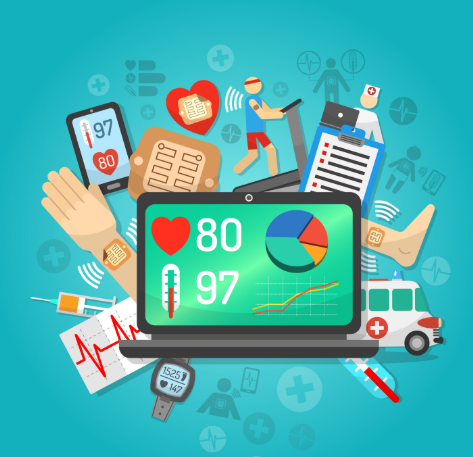
Introduction to Digital Wellness Program Tools
In today’s digital era, businesses are rapidly adopting technology to improve employee well-being and organizational performance. One of the most effective approaches is the use of digital wellness program tools. These tools provide scalable, flexible, and data-driven solutions that make it easier for companies to support employee health across physical, mental, and emotional dimensions.
Digital wellness tools are especially valuable in remote and hybrid work environments. They allow employees to access wellness resources anytime and anywhere, increasing engagement and ensuring consistent participation in wellness programs.

What Are Digital Wellness Program Tools?
Digital wellness program tools are software platforms, mobile applications, and online systems designed to support employee health and well-being. These tools integrate various wellness services into a single digital experience, making it easier for employees to manage their health.
Typically, these tools include features such as fitness tracking, mental health support, virtual coaching, and personalized wellness plans. By combining multiple services into one platform, organizations can deliver comprehensive wellness programs efficiently.
Why Digital Wellness Tools Are Important
Improving Accessibility and Flexibility
One of the biggest advantages of digital tools is accessibility. Employees can participate in wellness activities from any location, whether they are working in the office or remotely.
This flexibility ensures that all employees, regardless of location, have equal access to wellness resources. It also allows individuals to engage in programs at their own pace.
Increasing Employee Engagement
Digital wellness tools use features like gamification, challenges, and real-time tracking to keep employees engaged. These interactive elements make wellness programs more enjoyable and motivating.
Higher engagement leads to better participation rates and improved health outcomes.
Enhancing Productivity and Performance
Healthy employees are more focused and productive. Digital tools provide continuous support, helping employees maintain healthy habits and manage stress effectively.
This leads to improved performance, reduced burnout, and better overall business results.
Key Features of Digital Wellness Program Tools
Health Tracking and Monitoring
Digital wellness tools allow employees to track key health metrics such as steps, heart rate, sleep patterns, and activity levels. These insights help individuals understand their health and make informed decisions.
Many platforms also integrate with wearable devices, providing real-time data and accurate tracking.
Personalized Wellness Plans
Personalization is a critical feature of modern wellness tools. Based on user data, these platforms create customized wellness plans tailored to individual needs and goals.
This increases the effectiveness of the program and encourages long-term behavior change.
Mental Health Support
Mental health is a key focus area in digital wellness programs. Tools often include meditation guides, stress management resources, and access to virtual counseling services.
Providing mental health support helps reduce burnout and improve employee resilience.
Virtual Coaching and Training
Digital platforms offer virtual coaching sessions, webinars, and wellness workshops. Employees can learn about fitness, nutrition, and stress management from experts.
These resources make it easier for employees to develop healthy habits.
Data Analytics and Reporting
For employers, digital wellness tools provide valuable data insights. HR teams can track participation rates, health trends, and program effectiveness.
This data-driven approach helps organizations optimize their wellness strategies and improve ROI.
Popular Digital Wellness Program Tools
All-in-One Wellness Platforms
Comprehensive platforms combine multiple wellness features into a single system. For example, solutions like Wellness360 provide holistic wellness programs that cover physical, mental, and emotional health.
These platforms often include gamification, personalized plans, and advanced analytics, making them ideal for organizations of all sizes.
Employee Engagement Platforms
Tools like Woliba focus on engagement by combining wellness challenges, recognition systems, and surveys. These platforms encourage participation through interactive features and real-time feedback.
They are particularly useful for companies looking to boost employee engagement alongside wellness initiatives.
Digital Coaching and Content Platforms
Some tools specialize in providing wellness content and coaching. Platforms like Wellable offer customizable programs, webinars, and health challenges.
These tools are flexible and can be tailored to meet the specific needs of different organizations.
AI-Powered Wellness Tools
Artificial intelligence is transforming wellness programs by offering personalized recommendations and predictive insights. AI-powered tools can analyze user behavior and suggest activities to improve health and productivity.
These tools represent the future of digital wellness, providing more accurate and effective solutions.
How to Choose the Right Digital Wellness Tools
Define Your Goals
Before selecting a tool, businesses should identify their objectives. Whether the goal is to improve employee health, increase engagement, or reduce healthcare costs, having clear goals will guide the selection process.
Evaluate Features and Functionality
Look for tools that offer essential features such as health tracking, personalization, and analytics. The platform should be user-friendly and accessible across devices.
Consider Scalability
Choose tools that can grow with your organization. Scalable solutions ensure that the wellness program remains effective as the company expands.
Ensure Data Security
Employee health data is sensitive. It is important to choose platforms that comply with data security standards and protect user privacy.
Benefits of Digital Wellness Program Tools
Improved Employee Health
Digital tools encourage healthier lifestyles by providing continuous support and resources. Employees can easily track their progress and stay motivated.
Higher Engagement Rates
Interactive features and personalized experiences increase participation in wellness programs.
Cost Efficiency
Digital solutions are often more cost-effective than traditional wellness programs. They require less infrastructure and can reach a larger audience.
Better Decision-Making
Data analytics provide valuable insights that help organizations make informed decisions and improve program effectiveness.
Challenges of Digital Wellness Tools
Technology Adoption
Some employees may be hesitant to adopt new technology. Providing training and support can help overcome this challenge.
Data Privacy Concerns
Handling sensitive health data requires strict security measures. Companies must ensure compliance with data protection regulations.
Over-Reliance on Data
While data is valuable, it should not replace human judgment. Wellness programs should balance data insights with personalized support.
Future Trends in Digital Wellness Tools
The future of digital wellness tools is driven by innovation and personalization. Artificial intelligence, wearable technology, and real-time analytics are becoming more advanced, allowing for more accurate health insights.
There is also a growing focus on holistic wellness, integrating physical, mental, and financial health into a single platform. As technology continues to evolve, digital wellness tools will play an even greater role in shaping the future of workplace well-being.
Conclusion
Digital wellness program tools are transforming how businesses approach employee well-being. By leveraging technology, companies can create scalable, engaging, and effective wellness programs that deliver measurable results.
With the right tools and strategies, organizations can improve employee health, increase productivity, and achieve long-term success.